Honestly Speaking: The Edit
Issue 10

Who's Keeping the Traditions Alive?

NOVEMBER 2026 / FAMILY, CHANGE & CONNECTION

Geinel Johnson, LMFT | Issue 10 · November 2026 | 8 min read
Editorial portrait

There used to be that one house.

You didn't need a family group chat, a spreadsheet, or three weeks of planning to figure out where Thanksgiving was happening. Everybody knew.

You knew what time to show up, even if nobody actually arrived on time. You knew which auntie was bringing the macaroni and cheese, who made the dressing, and whose potato salad you weren't touching.

You knew where the extra chairs were. Which cousins would be there. Who was going to fall asleep on the couch before the game was over.

And you knew who was running things.

Maybe it was Grandma. Maybe it was your grandfather, your mother, or that one auntie who could get everybody in the same room with a single phone call.

Whoever it was, they had a way of bringing people together.

Then life happened.

Somebody passed away. Somebody got sick. People moved. Relationships changed. The house got sold. The relatives who used to drive six hours to spend Thanksgiving together stopped making the trip.

And somewhere along the way, the holidays started looking different.

Now there's a group chat asking who's hosting. Half the family hasn't responded. Somebody wants to go to a restaurant. Somebody else says Thanksgiving isn't Thanksgiving unless we're all together.

And you're sitting there thinking, When did something that used to happen so naturally become this complicated?

If your family never had that house, you might be reading this thinking, I'm the one who gets to build it.
Editorial family photograph
Section 01

When the Person Who Held It Together Is Gone

There's something about losing the person who brought everybody together that people don't always talk about.

You miss them, of course.

But you also miss everything that happened because they were there.

The familiar house. The same dishes on the table. The relatives who traveled in. The stories that got told every single year, even though everybody already knew how they ended.

You miss knowing that no matter what else was going on in your life, there was somewhere you could go and feel like you belonged.

And sometimes you don't realize just how much one person was holding together until they're no longer there to do it.

Because Grandma wasn't just cooking Thanksgiving dinner. She was calling people, remembering who liked what, keeping track of everybody's business, and making sure nobody left without a plate.

And let's be clear. She wasn't necessarily doing all of that quietly or sweetly.

Some grandmothers could love you, feed you, and tell you about yourself in the same five minutes.

But everybody showed up.

And when that person is gone, the family doesn't always know how to recreate what they made possible.

Here's something I want you to consider:

Are you grieving the person you lost, or are you also grieving the version of your family that existed when they were here?

Because those can be two different losses.

In grief work, we call that second kind a secondary loss. The death is the first loss. Then come all the things that quietly left with them: the house, the cousins you only saw because of her, the reason everybody showed up.

You can miss Grandma every day. But the holidays might also remind you of the cousins you don't see anymore, the traditions that disappeared, and the feeling of walking into a house where you knew exactly where you belonged.

And nobody really tells you what to do with that part of grief.
Cinematic family moment
Section 02

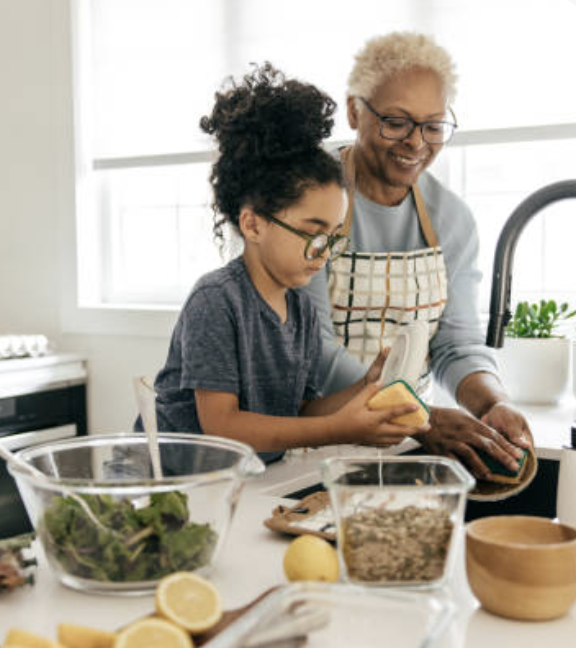
Somebody Has to Make the Mac and Cheese Now

So now what?

Because somebody eventually says, "Well, we still need to get together."

And they're right.

But who's making that happen?

Who's hosting? Who's cooking? Who's calling everybody? Who's making sure the older relatives have a ride? Who's coordinating the dishes so you don't end up with four pans of macaroni and cheese and not a single vegetable?

Somebody has to do it.

And often, without much discussion, the responsibility falls to whoever seems the most capable.

It could be your mother. The oldest daughter. The cousin with the biggest house or the one who always organizes everything.

And suddenly, what used to feel like a holiday starts feeling like a job.

There's actually a name for some of this work: kinkeeping. It's the often-invisible effort that helps families stay connected. The phone calls, invitations, remembering birthdays, coordinating gatherings, and making sure people don't drift apart.

It's important work.

But here's the thing: Just because somebody is good at keeping everyone connected doesn't mean they should have to do it alone.

And sometimes the person who steps up is trying to do more than organize Thanksgiving.

They're trying to preserve something everybody misses.

They're trying to make the holiday feel the way it used to.

But how do you recreate a feeling that was tied to a person who isn't there anymore?

You can use the same recipes. Put the furniture in the same arrangement. Play the same music. Invite the same relatives.

And still, something might feel different.

That doesn't mean the person hosting now is doing anything wrong.

It means the family has changed.

And if you're the one who's stepped up, you're allowed to ask for help.

"I'm happy to have everybody here. I can't do it all. Can you handle desserts and getting Uncle Ray here?"

You don't have to prove you love your family by exhausting yourself trying to give everybody the Thanksgiving they remember.

So instead of asking why Thanksgiving doesn't feel the same, let's ask a different question.

Are we giving the people who are trying to keep us together enough support, or are we expecting them to recreate something none of us can get back?

Because those are very different expectations.

Editorial portrait
“
You may never get back the Thanksgiving you grew up with. But that doesn't mean the holidays you're creating now can't become somebody else's favorite memories.
Section 03

What Do We Keep, and What Can We Let Change?

This is where families get stuck.

Everybody wants the holidays to feel familiar, but nobody agrees on what that should look like.

One person wants Thanksgiving exactly the way Grandma did it.

Somebody else wants to order the food and spend the afternoon playing games.

And somebody's auntie is personally offended that anybody would even suggest store-bought dressing.

Now we've got a family debate over a casserole dish.

But underneath all that disagreement, people might be trying to hold on to something that matters to them.

For one person, cooking the same recipes is a way of remembering someone they loved.

For another, sitting around the table together matters more than what's on it.

And for somebody else, the pressure to recreate the old holiday makes them dread the whole thing.

None of those feelings automatically makes someone wrong.

But they do require a conversation.

Try asking:

"Before we argue about the menu, can everybody say the one thing that makes it feel like Thanksgiving to them?"

Because if nobody talks about what they actually miss, families can end up arguing about the details while overlooking what those details represent.

So here's what I'd ask:

Which traditions are meaningful because they bring us together, and which ones are we keeping simply because that's how we've always done it?

The family recipe might matter enough that somebody should finally learn how to make it.

The annual gathering might matter, even if the location changes.

Everybody can contribute instead of expecting one person to handle everything.

And there might be a tradition nobody particularly enjoys anymore, but everybody keeps doing because they're afraid letting it go means forgetting the person who started it.

That's worth talking about, too.

Because honoring somebody's memory doesn't require us to preserve every single detail of how they did things.

And creating something new doesn't mean what came before wasn't important.

Quiet reflection
Section 04

Making Room for What Comes Next

Here's something I don't want you to rush past.

You can have a beautiful Thanksgiving this year and still miss the ones you used to have.

You can laugh with your family, enjoy the food, make new memories, and still have a moment when you wish you could walk through that old front door one more time.

That's not being ungrateful.

That's remembering.

And sometimes the smallest things bring it all back.

A certain song playing in the kitchen. Somebody telling a familiar story. A dish that tastes almost right, but not quite.

In grief work, there's a concept called continuing bonds. It's the idea that we don't have to stop feeling connected to people just because they've died. We can carry that relationship forward through memories, stories, recipes, and the things they taught us.

Making Grandma's pie isn't failing to move on. It can be one way of keeping her close.

You can spend years building a new tradition and still miss the old one.

Both can exist.

But I also want to challenge you here.

Are you waiting for somebody else to create the family memories you keep saying you miss?

If you miss having a family that gathers, what part are you willing to play in keeping those connections alive?

Not necessarily hosting. Not cooking for twenty people. Not becoming the person who handles everything.

You could call the cousin you haven't seen in a while.

Offer to bring a dish instead of waiting to be asked.

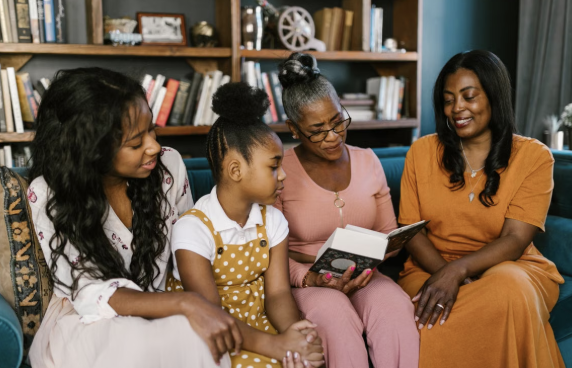
Sit down with an older relative and ask how they used to celebrate before those stories disappear.

Or help create a new tradition that fits the family you have today.

Because here's the thing about traditions: At some point, every tradition was something somebody decided to start.

And that's where your family might be now.

Not trying to replace the people you've lost.

Not pretending the old holidays didn't matter.

But deciding, together, what you want the next generation to remember.

You may never get back the Thanksgiving you grew up with. But that doesn't mean the holidays you're creating now can't become somebody else's favorite memories.

And one day, somebody might look back and say, "Remember when we all used to get together?"

They might remember your house. Your cooking. Your terrible jokes. The games everybody argued about.

They might remember how it felt to be there.

And that's how traditions stay alive.

Not because everything stays the same.

But because somebody keeps making room for people to belong.

Reflect & Practice

Try This | What Are We Keeping?

Think about one holiday tradition you miss.

Ask yourself:

  • What did I love most about it?
  • Was it the activity itself, the people involved, or the feeling it created?
  • Is there a way to bring some part of it into our lives now?

Then reach out to one family member and ask what tradition they miss most. And while you're at it, ask for the recipe, or the story, before it's gone.

Geinel Johnson, LMFT

A Note From Geinel

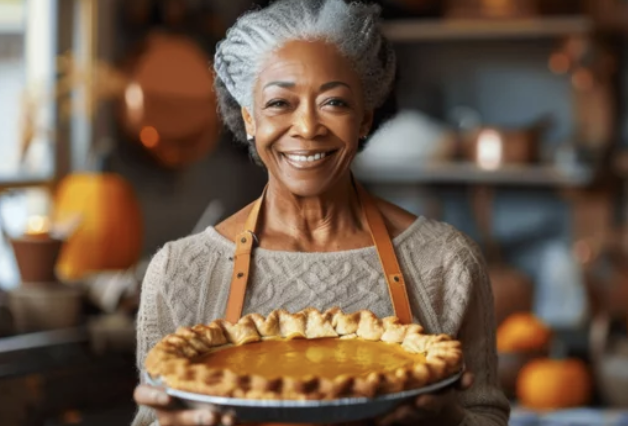
I can still taste my grandmother's sweet potato pie.

I haven't had it in years. Nobody in our family knows exactly how she made it, but I swear, if somebody put that pie in front of me today, I'd recognize it with my eyes closed.

And that's one of the things about getting older that nobody really prepares you for. One day you realize that some of the things you thought would always be there are gone. Not just the people, but the places, the recipes, and the little traditions that made your family feel like your family.

My grandmother was the glue in our family. She had that grandma spirit. She could keep everybody in check, make sure everybody was fed, and somehow make you feel at peace the minute you walked through her door.

Her house was home.

Family came from out of town. Everybody gathered in one place. We had our recipes, our routines, and the traditions we looked forward to every year. You didn't have to wonder where everybody was going for the holidays. You already knew.

When she passed, all of that changed.

The out-of-town visits slowed down. We lost that central place to gather. Some of the traditions faded, and certain recipes disappeared with her.

My mom has stepped up to keep our family connected, and I appreciate her for that. Especially because she's navigating her own health challenges. We're still making an effort to get together and create new traditions, but it isn't the same.

And I'm learning that it doesn't have to be.

Here's the other thing about getting older.

My generation is now the aunties and uncles.

When did THAT happen?

The people I grew up watching host the holidays are getting older. Some are no longer here. And now we're the adults the younger generation is watching.

That makes me think about what they'll remember.

Will they remember everybody laughing around the table? The games we played? The stories we told about the family members they never got to meet?

Will they have traditions they look forward to? A place where they feel loved, comfortable, and completely at home?

I hope so.

Because family is the most important thing to me. Period.

And I can love the holidays we're creating now while still missing the ones I grew up with. I can appreciate the family members who are here while grieving the ones who aren't. I can look forward to Thanksgiving and still wish, just for a moment, that I could walk through my grandmother's door again.

I can't bring back the Thanksgiving I grew up with. Trust me, if I could, I would.

But I can appreciate the people who are still here, make sure the younger generation has something to look forward to, and keep telling the stories about the people who made our holidays what they were.

Because I don't want them to just know that Grandma made a good sweet potato pie.

I want them to know who she was.

With love,

Geinel

If changes in your family, grief, or the holidays bring up experiences that are difficult to navigate on your own, therapy can be a place to explore those feelings and relationships.

The Honestly Speaking Journal offers education and reflection and is not a substitute for individualized mental health care.

About the Author

Geinel Johnson, LMFT

Geinel Johnson is a Licensed Marriage and Family Therapist and the founder of Honestly Speaking Solutions, a boutique private practice serving adults and couples throughout California and Texas.

She specializes in helping high achieving Black professionals and couples navigate burnout, emotional exhaustion, relationship challenges, and the invisible weight that often comes with always holding it all together.

Known for blending clinical expertise with honest, culturally grounded conversations, Geinel created The Honestly Speaking Journal to help readers better understand themselves and create lives that feel as authentic as they are successful.

When she is not in session, she is usually exploring the Bay Area, planning her next trip, or spending a quiet night at home watching one of her favorite 90s Black love stories.

She believes healing begins the moment we stop performing who we think we have to be and start telling ourselves the truth.

Continue the Conversation

Honestly Speaking Solutions

info@honestlyspeakingsolutions.com

If something in this issue stayed with you, do not let it end here. Share it with someone who came to mind while you were reading. Sit with the questions that surfaced. Talk about it with someone you trust.

If you are ready to have these conversations in a space where you do not have to carry everything alone, I would be honored to walk alongside you.

Schedule a Consultation