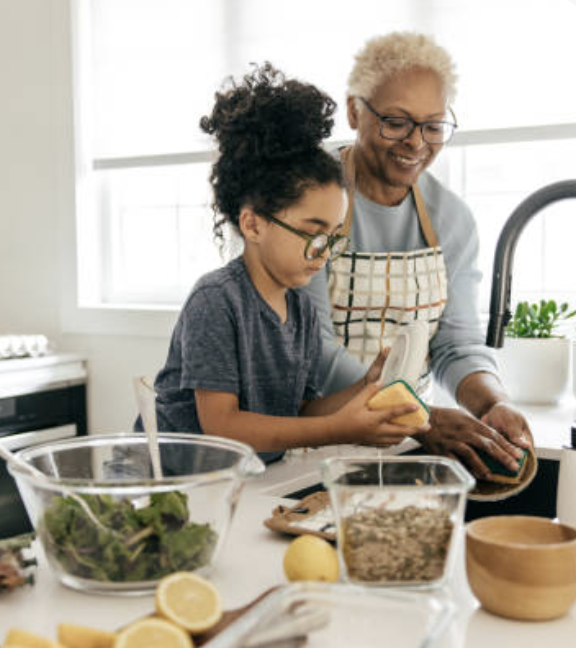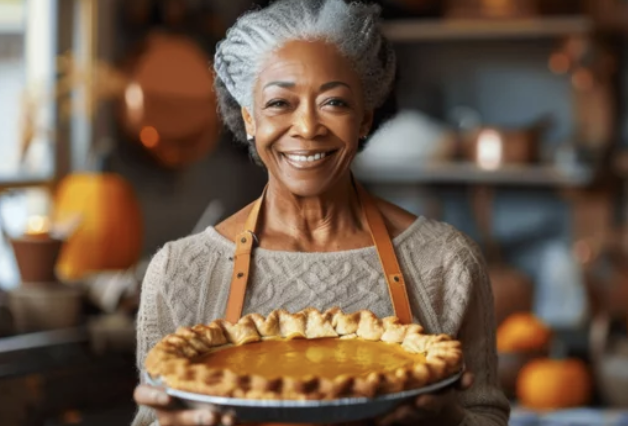
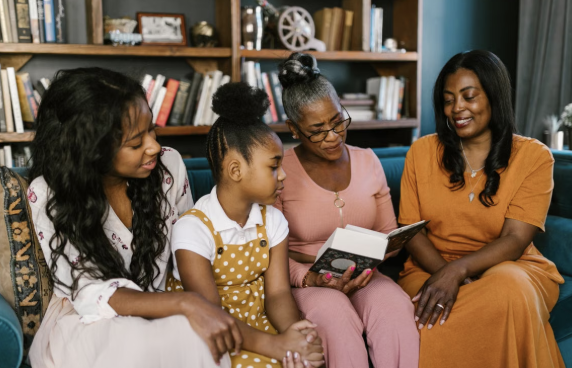
There used to be that one house.
You didn't need a family group chat, a spreadsheet, or three weeks of planning to figure out where Thanksgiving was happening. Everybody knew.
You knew what time to show up, even if nobody actually arrived on time. You knew which auntie was bringing the macaroni and cheese, who made the dressing, and whose potato salad you weren't touching.
You knew where the extra chairs were. Which cousins would be there. Who was going to fall asleep on the couch before the game was over.
And you knew who was running things.
Maybe it was Grandma. Maybe it was your grandfather, your mother, or that one auntie who could get everybody in the same room with a single phone call.
Whoever it was, they had a way of bringing people together.
Then life happened.
Somebody passed away. Somebody got sick. People moved. Relationships changed. The house got sold. The relatives who used to drive six hours to spend Thanksgiving together stopped making the trip.
And somewhere along the way, the holidays started looking different.
Now there's a group chat asking who's hosting. Half the family hasn't responded. Somebody wants to go to a restaurant. Somebody else says Thanksgiving isn't Thanksgiving unless we're all together.
And you're sitting there thinking, When did something that used to happen so naturally become this complicated?
If your family never had that house, you might be reading this thinking, I'm the one who gets to build it.
When the Person Who Held It Together Is Gone
There's something about losing the person who brought everybody together that people don't always talk about.
You miss them, of course.
But you also miss everything that happened because they were there.
The familiar house. The same dishes on the table. The relatives who traveled in. The stories that got told every single year, even though everybody already knew how they ended.
You miss knowing that no matter what else was going on in your life, there was somewhere you could go and feel like you belonged.
And sometimes you don't realize just how much one person was holding together until they're no longer there to do it.
Because Grandma wasn't just cooking Thanksgiving dinner. She was calling people, remembering who liked what, keeping track of everybody's business, and making sure nobody left without a plate.
And let's be clear. She wasn't necessarily doing all of that quietly or sweetly.
Some grandmothers could love you, feed you, and tell you about yourself in the same five minutes.
But everybody showed up.
And when that person is gone, the family doesn't always know how to recreate what they made possible.
Here's something I want you to consider:
Are you grieving the person you lost, or are you also grieving the version of your family that existed when they were here?
Because those can be two different losses.
In grief work, we call that second kind a secondary loss. The death is the first loss. Then come all the things that quietly left with them: the house, the cousins you only saw because of her, the reason everybody showed up.
You can miss Grandma every day. But the holidays might also remind you of the cousins you don't see anymore, the traditions that disappeared, and the feeling of walking into a house where you knew exactly where you belonged.
And nobody really tells you what to do with that part of grief.